

There’s a saying I used to hear a lot in New York, “time is money”. I thought about it again at a secondhand sale a few weeks ago. I was chatting with a seller about customers who think her prices are too high. “They don’t realise how much time goes into sourcing these things,” she told me.
When you’re young, you usually have time but no money. That’s how my love of vintage began. I’d trawl charity shops and thrift stores for hours, unearthing gems which I’d purchase with a few pounds of pocket money. I also used to customise my clothes, chopping up a pair of jeans only to painstakingly piece them back together with safety pins.
These days, I have a bit more money, but I rarely have time to shop. Riffling through the racks of a local vintage store has become a luxury I treat myself to every few months. That said, my budget is bigger than it used to be.
This means I tend to shop at curated secondhand stores, where the work has already been done for me. I know I’ll find a tight edit of good pieces, and the prices reflect this - the time put into the sourcing and curation means they’re more expensive than your average pre-loved fare.

I started thinking about this time/money equation again when those pictures from the Carolyn Bessette Kennedy TV show did the rounds. When Ryan Murphy released the sneak peek of Carolyn’s outfits, the comments section was ablaze. Fans identified her bag as the wrong Hermes style (and empty, to boot), her hair the wrong shade of blonde. The uproar was deafening.
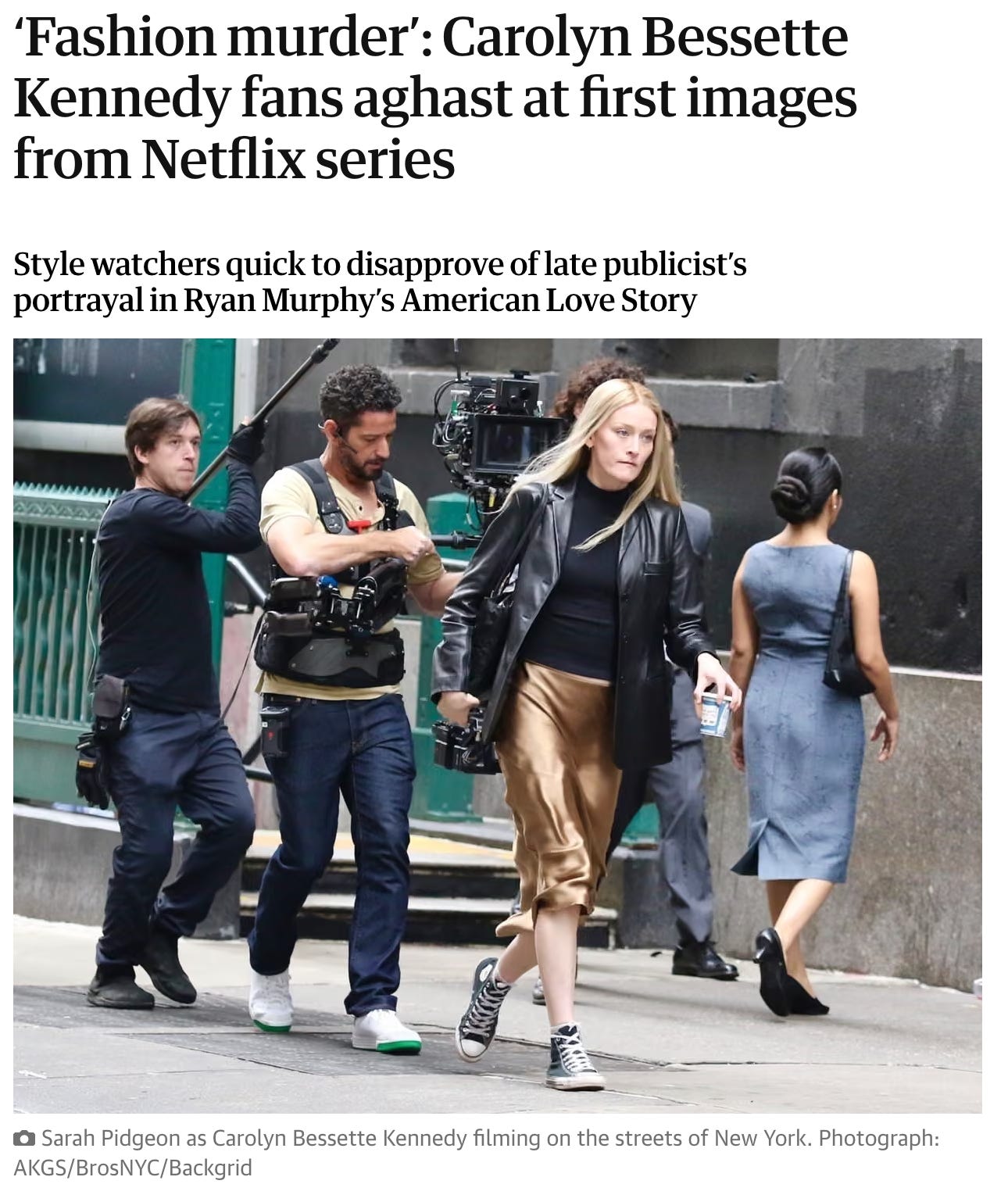
For me, the pictures reminded me of a vibe I noticed when I’d go on shoots in location houses. The interiors would be staged much like those mansions on Selling Sunset; embellished with expensive things but devoid of personality. I call it the ”bought-all-at-once” aesthetic, because that’s exactly what it looked like. Someone with a big budget has gone into a fancy store, and said “I’ll take the lot.” The feeling of time spent choosing and collecting each piece was tangibly absent.
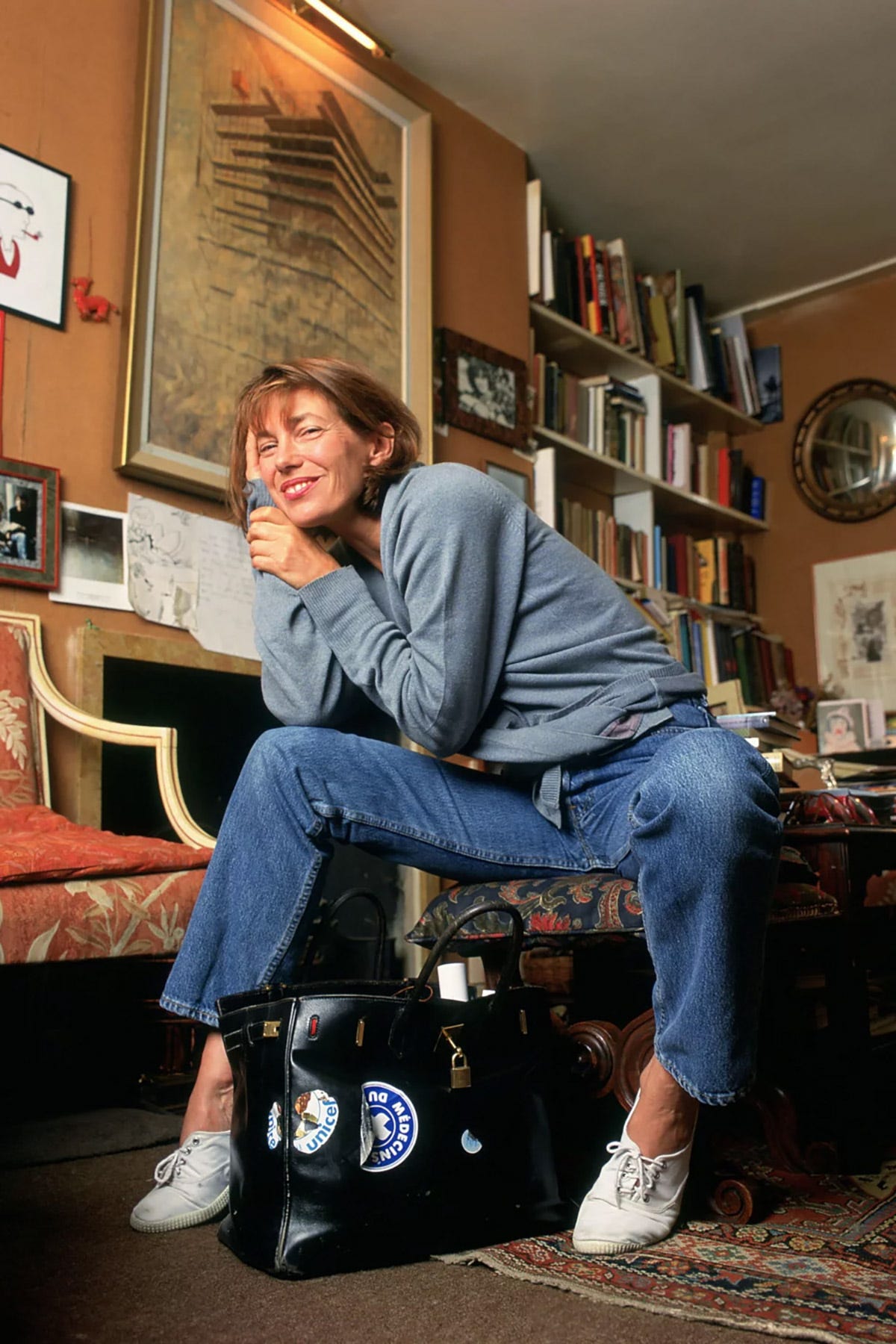
Luxury fashion houses understand the correlation between time and value. That’s why they’re always so keen to tell us how many years of heritage they have, or how many hours of craftsmanship went into each piece. The irony is that the “classic” pieces sold by many of these houses only become really unique when they’ve been worn and used for a long time. You can buy a beautifully-made handbag, but it’s only when you’ve filled it and battered it like Jane Birkin (whose bag sold for 8.6 million Euros in the recent Sotheby’s auction) that it becomes truly chic.
“I think time is the one true luxury in this world,” said Ilona Hamer, stylist and founder of resortwear brand Matteau. Hamer’s aesthetic focuses on the classics, and Matteau’s pieces reflect this. “Our inspiration is always from the past. We know when something is good if it feels like we’ve already made it. It has a level of familiarity and ease to it, and I think that’s when things feel very right. That just comes with knowing yourself and your customer more as the years go on.”
“I think character and personality are two of the key elements to great style, and these things take decades to mature and ripen,” she continues. Hence the uproar at Ryan Murphy’s empty Hermes handbag. It lacked the patina of taste that comes with spending time learning who you are and what you like to wear.
That’s not to say that only ‘classic’ clothes equate to style. This aesthetic is often referred to as ‘timeless’ - but on the flip side, the right kind of timeliness is a powerful tool when getting dressed.
Here we enter the mercurial world of trends. Unlike ‘timeless’ style, there’s a specific place and time for a trend. Too early and it doesn’t resonate - too late, and the edge is lost. Navigating trends requires confidence, instinct and a clear sense of what feels relevant now; a type of cultural fluency that can only come from spending time understanding the zeitgeist.
Speaking of the zeitgeist, it’s ironic that as today’s technology hurtles towards ever greater efficiency, time continues to elude us. As
put it: “everything just exists in the flatness of the internet which means a constant influx of everything at all times… the feeling that your plate (your time) is the same size but is increasingly piled with food.”We crave time for ourselves, away from the internet, the kind of gentle, uninterrupted ease that might allow us to read a book, play a leisurely game of sport, or perhaps even take a nap. Is it surprising then, that fashion is reflecting these desires?
Last year’s literature boom was an indicator of this, with brands like Miu Miu making books and reading clubs central to their strategy. Cult bookstores like Climax have become a hotspot for fashion influence, and a new print magazine seems to launch every week.
Tennis, a game traditionally enjoyed by the leisure class, is getting lovebombed by fashion (much like racing before it) - with brands clamouring to align themselves with the sport. Last month, Business of Fashion reported that sleepwear is booming, stating that “sleep is becoming the ultimate status symbol.” Fashion knows we crave time to think, relax and rest, so it’s started selling it back to us.
Our ongoing appetite for nostalgia also plays a role here. We can’t catch hold of the present, so instead we luxuriate in the past, fantasising about a world where things were slower and more intentional; when ideas and clothing weren’t driven solely by the bottom line.
I think the NYT’s viral piece about how thinking is becoming a luxury good also relates to this. Whilst it’s true that the internet is eroding both our attention spans and our critical thinking skills, the response to this fear has been to valorize traditional values and education. We’re seeing this bubbling up via what I call the ‘country clubification’ of fashion; this kind of preppy, private school aesthetic (or blue genes, as Sydney Sweeney would say). Think chinos, boat shoes, crisp shirting and bourgeois accessories.
As I wrote in this piece about the fashion spelling bee trend last year, education is always a flex. Knowledge (and the time to meaningfully accrue it) is the ultimate status symbol. It’s not surprising that fashion has continued to align itself with this mentality, and the aesthetics around it.
The irony is that the brands want us to buy into these trends, when actually the true luxury is to turn our attention away from their marketing efforts, and reclaim these activities for ourselves. The luxury of time does not lie in buying it in its commodified form. Conversely, it means spending it for ourselves.
Have you listened to the Threads of Conversation podcast? You can also find it on Apple, Spotify, and YouTube. You can also follow Threads of Conversation on Instagram and TikTok. Subscribe below for more podcasts, essays and interviews.
Threads of the week
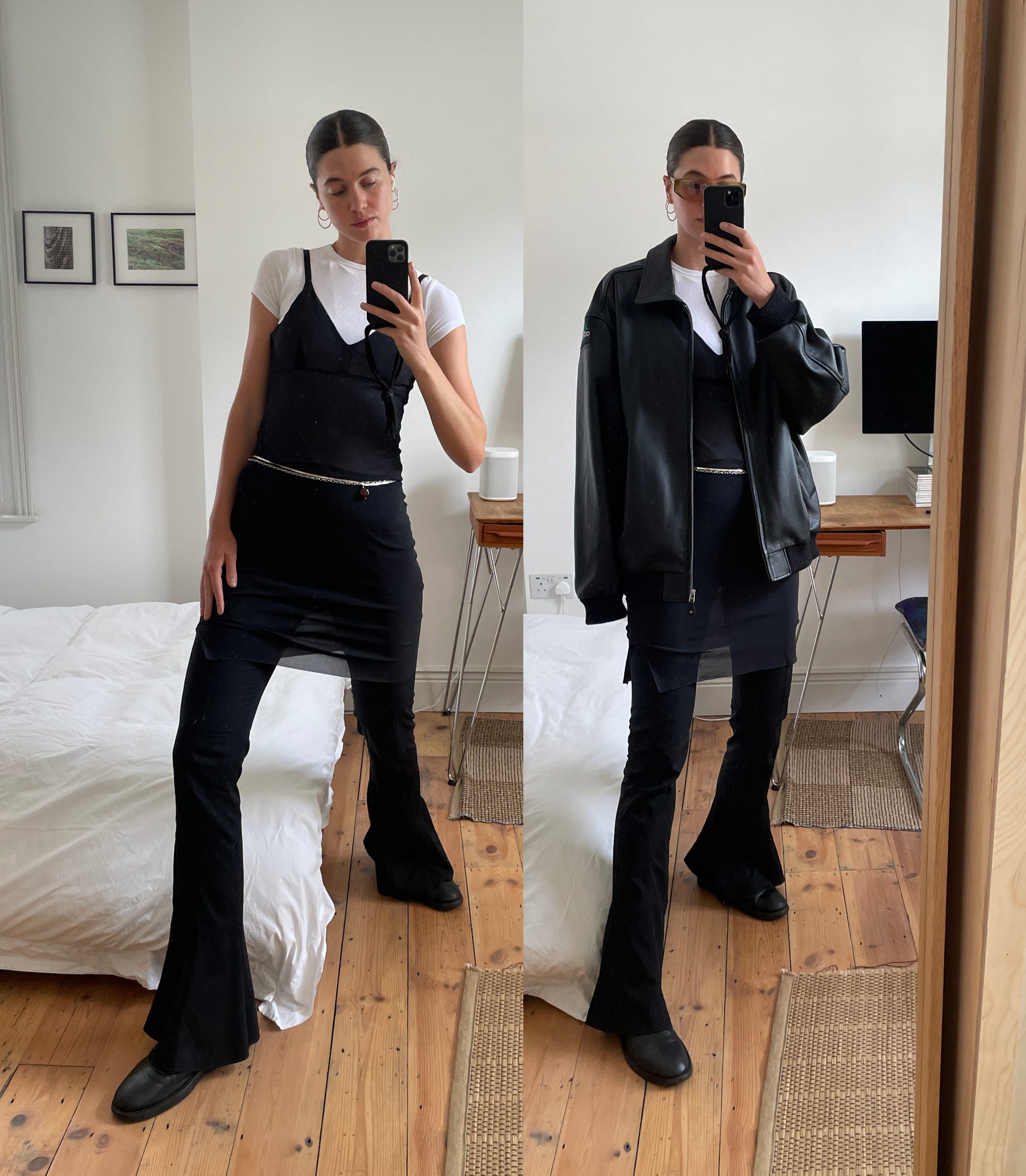
Not a very summery look, but I’ve been keen to try styling this vintage Roland Mouret slip dress I picked up at I Have Something Better secondhand market. Belt is a Santangelo waist chain, trousers are from Jacquemus, jacket from adidas, glasses Dries van Noten and boots Ann Demeulemeester. (Regular readers will recognise all these pieces already.)
Loose Threads
If you love interiors, great writing, and an original point of view, may I point you in the direction of Nora Taylor’s work.
I feel so Millenial sharing this, but I felt very seen by this cartoon:
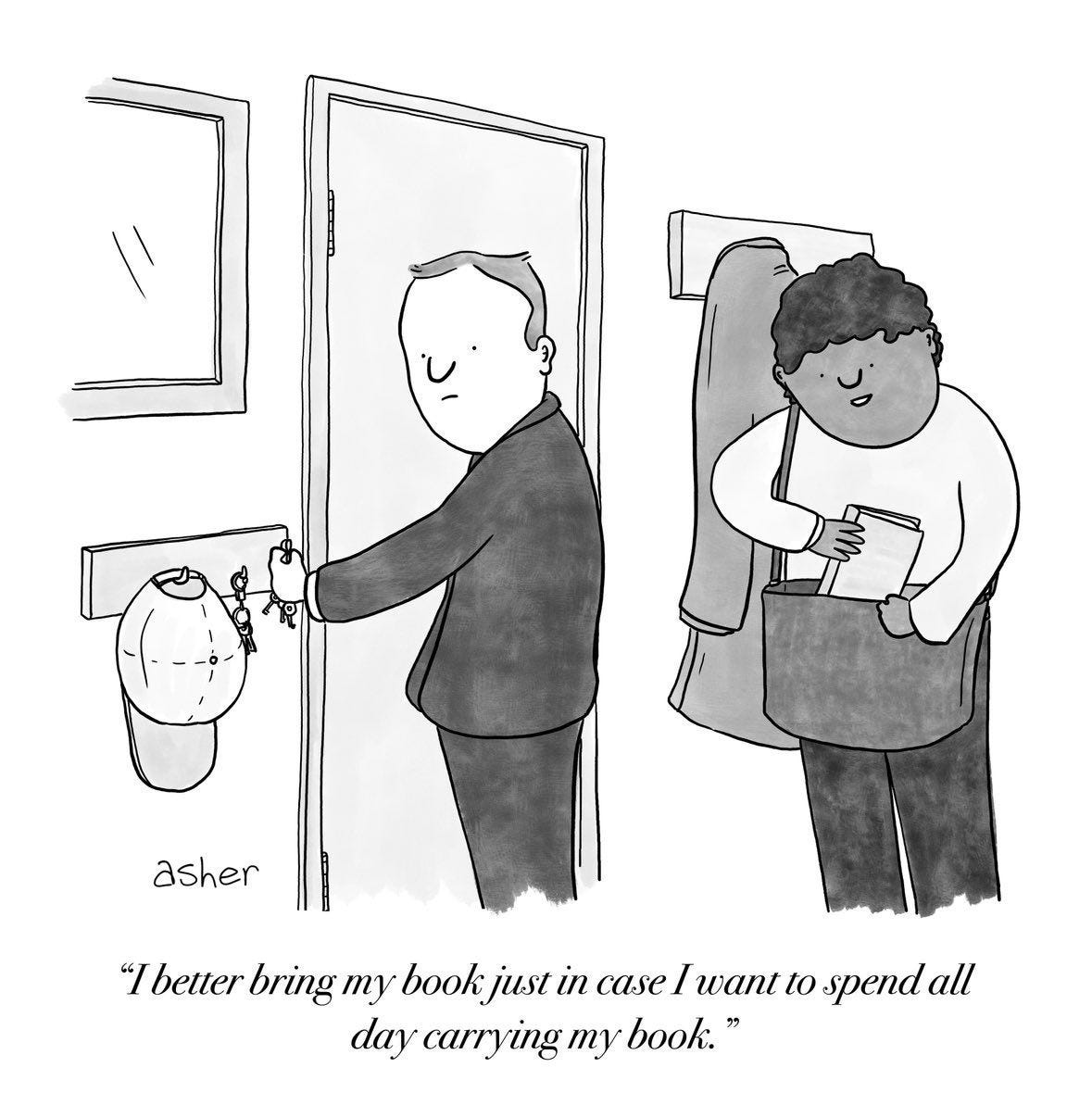
(Books I’m currently carrying around include Orbital and Outline.)
Start your own Thread
What’s your relationship with time and fashion? How do you find that time shows up in what you wear? Tell me in the comments.
all of this